Devotional Feminine Nutrition

Today, I would like to introduce you to the concept of nutrition as self-devotion.
Nutrition is far more than the act of feeding ourselves. I believe we nourish our bodies, minds, and spirits through our senses, our habits, our daily rituals, and even the people we choose to surround ourselves with. Food is only one piece of the nourishment puzzle—but it is a powerful one.
We will explore the broader dimensions of nourishment in future posts. For now, let's focus on nutrition as self-devotion through the lens of food.
Viewing nutrition as self-devotion invites a profound shift in perspective. It moves us away from dieting, restriction, food rules, and the labeling of foods as "good" or "bad." It replaces bland meals eaten out of punishment with meals prepared and enjoyed as an act of love.
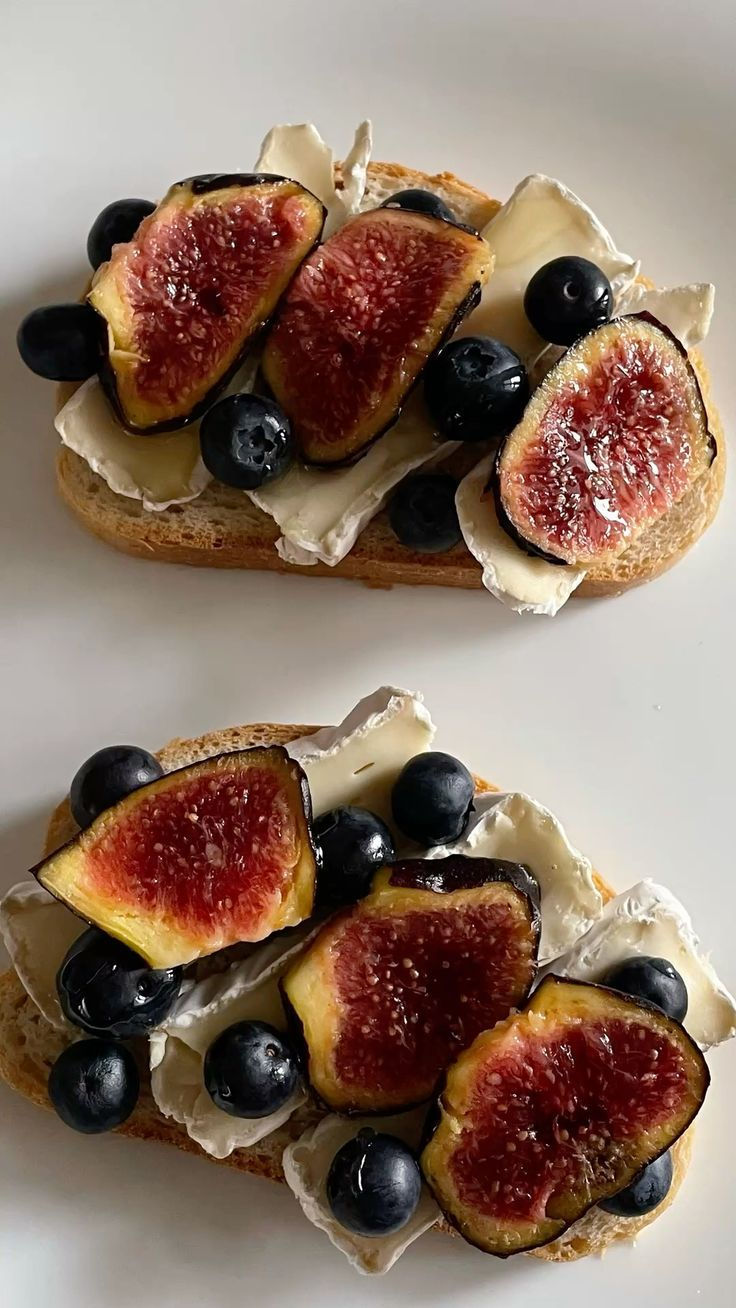
It redefines eating as a daily ritual of self-respect—one in which you slow down and savor your meals, tune into your hunger cues, eat in harmony with the seasons, learn to decode your cravings, and care for your body as the sacred vessel that carries you through life.
Rather than focusing on calorie counting or restriction, this approach centers on nourishing your body, mind, and soul.
For decades, women have been led to believe that their bodies are endless projects in need of fixing. Diet after diet, calorie after calorie, many have spent years pursuing an ever-changing standard of perfection, often punishing themselves whenever they stray from a prescribed way of eating.
If you have ever followed a restrictive diet, you may have lost touch with both the nourishing power of food and the pleasure it can bring. You may have experienced the cycle of deprivation followed by intense cravings, only to find immense relief and satisfaction when finally eating the foods you longed for.
Nutrition as self-devotion offers another path...
When a woman approaches nourishment from a place of devotion rather than control, she learns to turn inward and listen to her body's wisdom. She begins asking herself:
How hungry am I right now?
What kind of nourishment do I truly need in this moment?
Could what I am craving be something other than food?
What nutrients might my body be asking for?
What flavors, textures, and temperatures would feel most supportive today?
This practice cultivates a deeper relationship with the body and its innate intelligence.
As your perspective shifts, your relationship with food begins to heal. Guilt no longer follows a meal, nor do you feel compelled to earn your food through productivity or punishment. Instead, you begin to view nourishment holistically—not only through what is on your plate, but through everything you consume, including your habits, rituals, environment, and relationships.
The next time you prepare a meal, consider asking yourself:
Reflection Questions
What is my body truly craving right now?
Which texture am I drawn to: soft, creamy, tender, or crunchy?
Which flavor would feel most satisfying: sweet, salty, bitter, sour, or umami?
Which nutrients might my body be asking for?
How can I support my energy and vitality today?
Am I craving something light and refreshing, or something grounding and nourishing?
Would my body benefit from something warm or cooling?

Core Principles of Devotional Nutrition
Respect Honoring your body as the vessel through which you experience life and fulfill your purpose.
Intention Choosing nourishing foods because you deserve to feel energized, clear, and well.
Balance Supporting your health without turning food into an obsession or a source of guilt.
Introspection Cultivating awareness of how food influences your mood, energy, hormones, and overall vitality.
Nutrition as self-devotion is not about perfection. It is about building a relationship of trust with your body—one meal, one choice, and one loving act of nourishment at a time.


Comments